
MODULE 3

Weather Routing & Heavy Weather Strategy
Go Far — METHOD: Interpret, Analyze, Derive, Pilot.
Learn three practical ways to interpret weather forecasts and analyze them to plan and sail offshore routes. By practicing “weather routing” at sea now, and using the methods I teach you in MOD-3, you’ll quickly become proficient with this approach that’s guaranteed to help you sail lengthy voyages.
We delve into the mechanics of Earth's weather so you can intuitively interpret how weather forecasts will influence your routes. You’ll learn to analyze how, when, and where a forecast will affect your Route Plan — thereby aiding you to derive routes which include contingencies and realistic expectations for heavy weather you may encounter — this prepares you to confidently set the perfect course-to-steer for your vessel on every leg of a major ocean voyage.
You’ll determine the best way to receive weather-data electronically aboard your boat at sea, and create methods to consistently choose the appropriate data-sources and forecasts for any route you plan.
I teach Heavy Weather Strategy & Tactics as a management system that involves planning, analysis of forecasts, and consideration for the limitations you know about yourself and your vessel. My approach leads you to discover the safest and appropriate heavy-weather tactic for every situation — you’ll also begin to assemble a quiver of heavy-weather equipment for your boat.
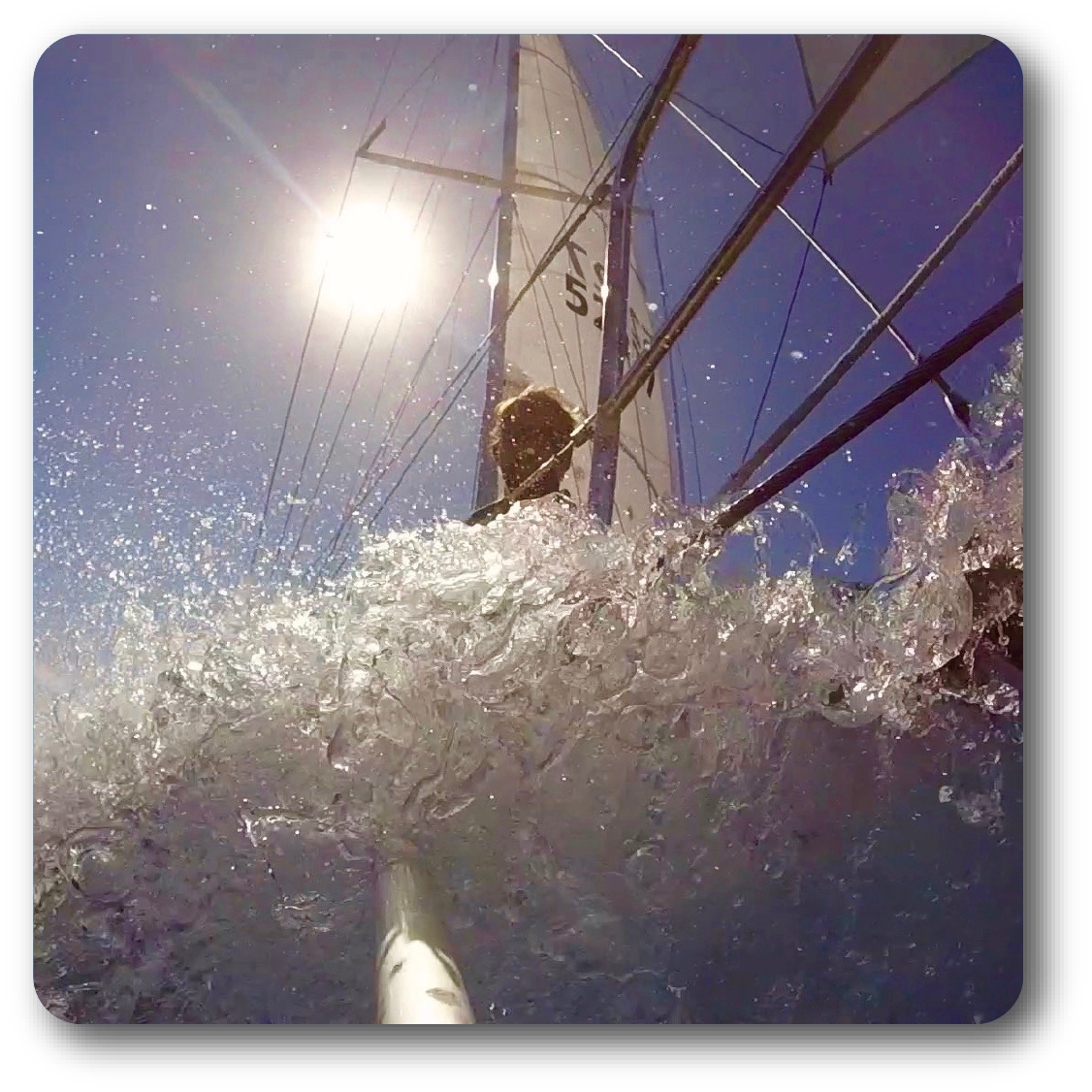
3.1 … The Practical Approach to Weather Routing
In this module, I describe three approaches to route your vessel on an offshore passage — each carries a different level of risk, cost, and self-reliance: 1) Professional; 2) Hybrid: Self-Guided Analysis & Professional Partner; 3) The Self Reliant Onboard Weather Router.
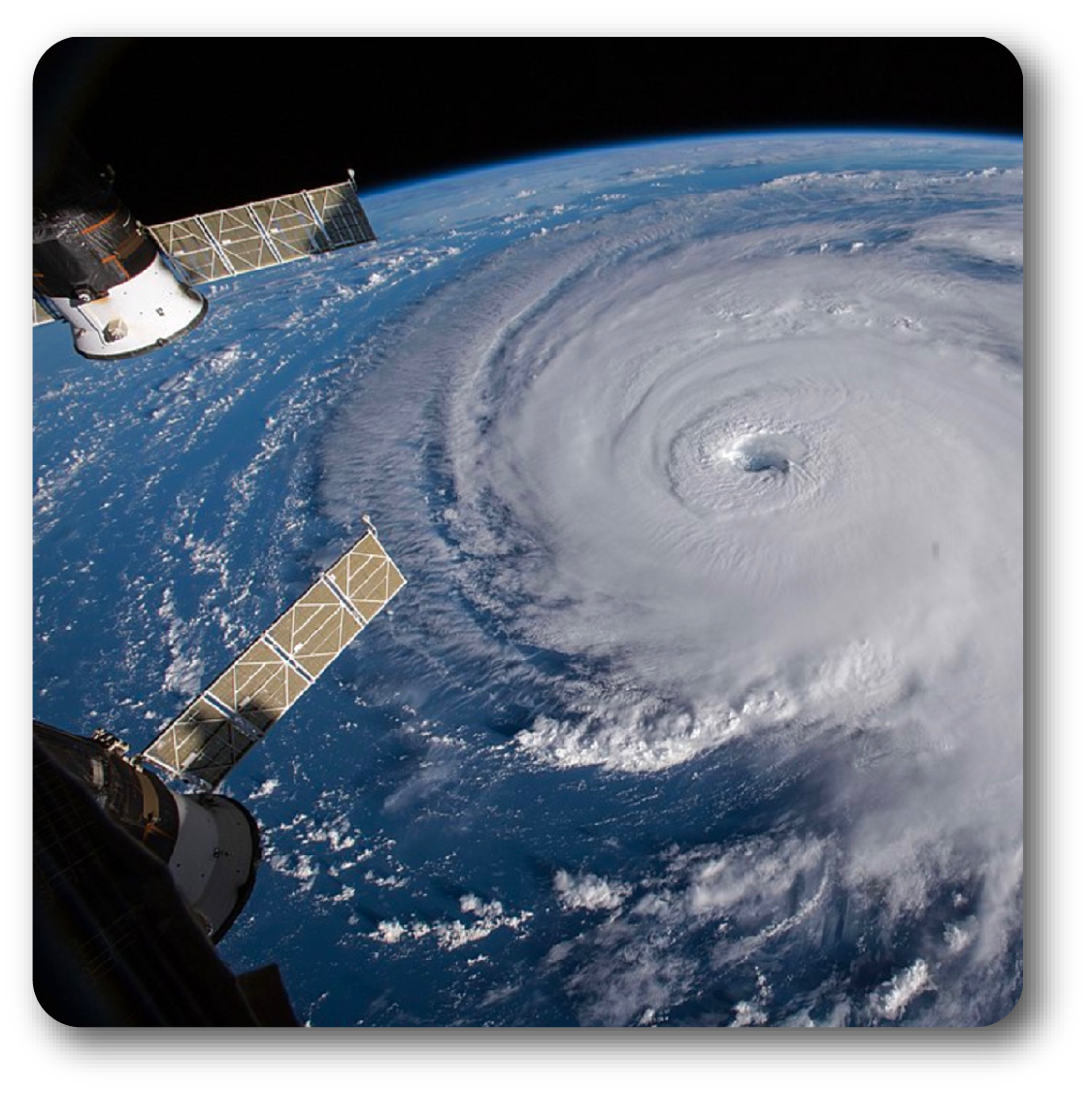
3.2 … Weather Mechanics & WX-Forecast Interpretation
I delve into how Earth’s weather works as a mechanical-system from a mariner’s perspective, and show you how to interpret WX forecasts. You’ll gain valuable methods for finding sources of weather information that you can use to plan safe routes, and establish clear expectations for conditions you’ll encounter along the way.

3.3 … Onboard Weather — Data sourcing The “Affected Forecast”
You’ll explore the options to receive weather-data electronically aboard your boat at sea, determine which option is best for you, and create methods to consistently choose the data-sources and forecasts you’ll need to plan any route while maintaining your finger-on-the-pulse of the weather affecting your vessel underway.
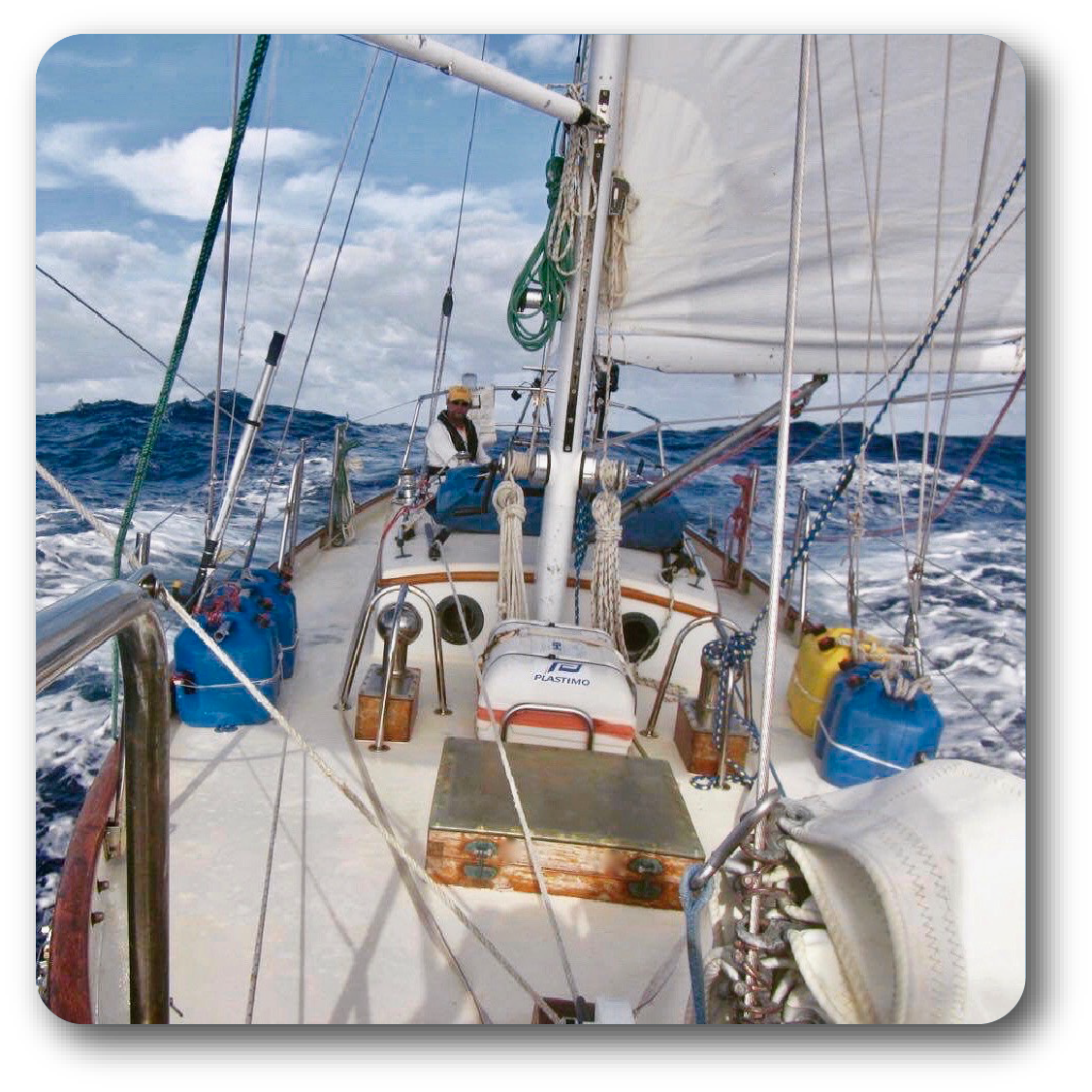
3.4 … Weather Analysis — Strategic routing & Heavy Weather Tactics
Every yacht that ventures into the deep ocean will sail through high-wind at some point. Offshore sailors will encounter storms, squalls, and severe-thunderstorms at some point in their lifetime — you will be engulfed in thrashing conditions within a frontal boundary, low pressure system, upper-level trough, or near a steep atmospheric-pressure gradient.
In this module you’ll develop the mindset, strategy and equipment needed to handle heavy weather, including: avoidance methods; mental and physical preparation; on-board organization; heavy-weather gear and sail management; and, how to capitalize on your vessel’s performance characteristics to promote safety. You will develop the methods and routing-approach to reach harbor safely while leveraging-against or managing extreme sailing conditions.

3.5 … Derive your Course / Integrate Routing & Piloting Systems
We will develop an onboard management process that integrates our routing and piloting systems based-on the complete Weather Routing Method: Interpret, Analyze, Derive, and Pilot.
I’ll show you the leadership perspective that improves your ability to plan and execute safe routes by weighing the odds and risks associated with the derivation of the best Course To Steer for a plethora of weather and routes you’ll face at sea.
We’ll also establish the methods that integrate your Piloting and Routing Systems, specifically: remote WX sourcing; navigation; and, helm-operation to optimize the handling of your vessel steered to the course you derive.